logo


Email This PagePrint This Page

Efficiency more important than new oil

March 16, 2001 - Spring is almost here and it can't come soon enough for those who have been through a long, cold winter of deep snows and climbing energy prices. Even sunny California has had a tough winter, as the bright lights of Hollywood and the rest of the state faded out for a lack of power.

We've been through an energy crisis like this before - in the 1970s. The primary solution then was to find and extract more oil, but there was also some focus on energy efficiency. The results were remarkable. In spite of the immense government incentives to expand fossil fuel supplies and huge capital resources behind oil companies, the biggest gains in energy "supply" were derived from energy efficiency. High costs and fear of shortages made us find ways of saving energy - from the compact car to new home insulation standards. In fact, according to Canadian federal statistics, between 1971 and 1987, efficiency gains made a larger contribution to energy supply than all new sources of oil, coal, natural gas, hydroelectricity and nuclear power combined!

But in the last 15 years, energy prices have plummeted and consumption has shot back up. For example, thanks largely to the popularity of SUVs, trucks and vans, the fuel efficiency of today's new car fleet has dropped to levels not seen since 1980. Low fuel prices also encouraged more urban sprawl, meaning that people are not just driving larger, less efficient vehicles, but they are also driving them greater distances. Today, two-thirds of American oil is used for transportation. On average, every single American now uses the equivalent of 11 litres of petroleum per day and every Canadian uses 10.2 litres to meet our energy demands. These fuels are non-renewable, so once they're used up, that's it. There will be no more.

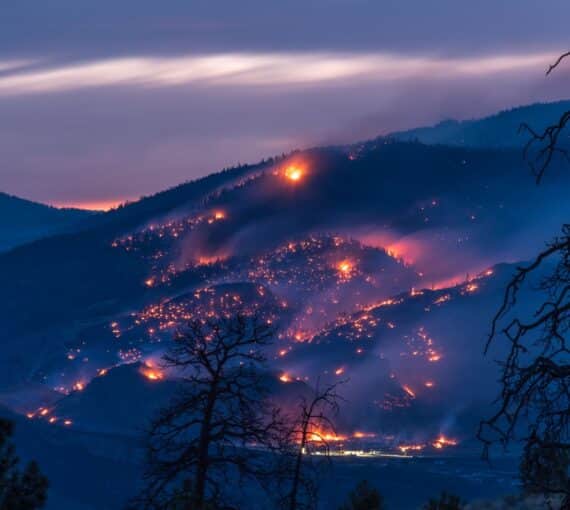
By taking so much fossil fuel energy out of the ground and releasing it into the air, we've actually changed the composition of our atmosphere. The result is global warming, which is already changing our weather, and the world's climate scientists say that it will get much worse in coming decades. Even President Bush, who has in the past dismissed scientists' concerns about global warming, recently conceded that it is a pressing problem.

So what's our approach to today's energy crunch? Once again, the main focus is on new supplies. President Bush wants to open up ecologically sensitive areas like Alaska's Arctic National Wildlife Refuge for oil drilling. And Prime Minister Chretien is eager to sell oil to the massive American market, so he's keen on expanding the tar sands in Alberta. This proposed continental energy pact ignores what we learned last time, that the biggest and cheapest source of energy is conservation.

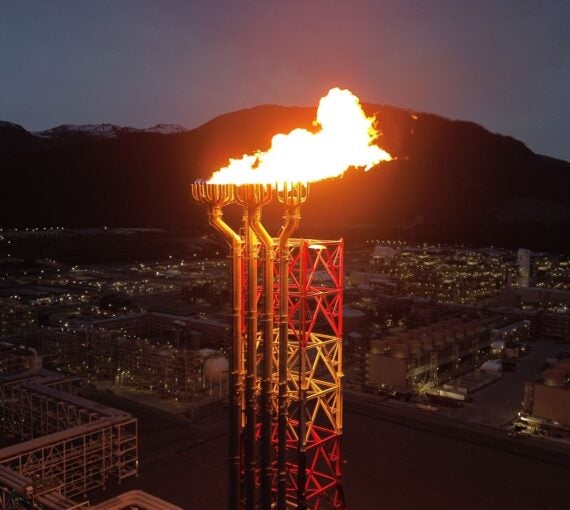
Both of these projects will damage our environment, increase global warming, air and water pollution, and destroy important wildlife habitat. Meanwhile, neither project will develop a sustainable long-term energy supply. For example, the US Geological Survey says that there are about 3.2 billion barrels of oil available under the Arctic National Wildlife Refuge. That sounds like a lot, but it would meet US oil demands for less than a year. And extracting oil from Alberta's tar sands is very energy-intensive. In fact, proposed increases in tar sands production will create the same emissions every year as seven million new cars.

That's why a renewed focus on energy efficiency is crucial. According to the National Resources Defense Council, increasing the fuel efficiency of vehicles by 50 per cent would save 10 billion barrels of oil over 10 years - that's three times more oil than is found in the entire Arctic National Wildlife Reserve. Huge efficiency gains are available with today's technology in building construction, electricity generation, community design, home heating and cooling, transportation and many other areas. If we want to develop a clean, sustainable and secure energy supply, we have to start by using it wisely.

To discuss this topic with others, visit the discussion forum.