Powerful lobby group disintegrates
August 2, 2000 -
Some persistent myths about the cost of slowing climate change may finally be coming to a rest as the lobby group responsible for a massive campaign of misinformation disintegrates. We must hope this will help spur Canada and the United States into taking a more useful stance at the next round of climate talks this fall in The Hague.
The disintegrating group is the Global Climate Coalition (GCC), which was founded in 1997, just before the Kyoto Conference on Climate Change. The GCC, comprised of powerful fossil fuel, vehicle manufacturing and other heavy industry groups, spent enormous sums of money trying to confuse the public into thinking that reducing greenhouse gas pollution from fossil fuels would reduce our quality of life.
Their advertising campaign, which was not widely seen in Canada but was heavily promoted in the United States, was nothing short of hysterical. Television ads portrayed any efforts to reduce emissions as a threat to freedom, suggesting that reducing our consumption of fossil fuels would force everyone to live in the dark and completely give up vehicles.
The claims were outrageous, but they were influential. The US government has yet to take effective action to slow climate change and, as is so often the case, Canada has toed the American line. But times are changing and, as Lester Brown of the Worldwatch Institute says, corporations are now leaving the GCC like rats from a sinking ship.
That only makes good business sense in light of the plethora of new studies that have consistently fingered climate change as an increasing threat to humanity and the ecosystems that sustain us. In an article in the current Scientific American, Harvard University public health professor Paul Epstein notes that climate change will bring new stresses and nasty surprises to public health. One such surprise has been the introduction of the West Nile virus to North America. The virus killed seven people in New York last year and managed to survive the winter, in spite of chemical spraying. It has recently resurfaced in Boston and New York, causing Mayor Giuliani to cancel a concert in Central Park.
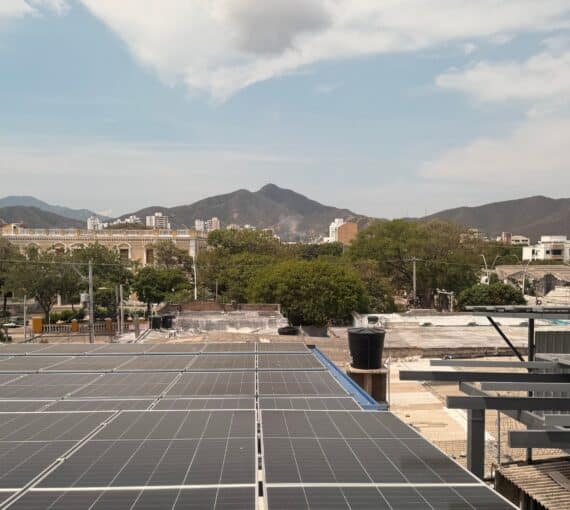
Ultimately, climate change could be very bad for business, so some companies that were former members of the GCC have recently taken a very different stance. Just last week, oil giant British Petroleum (BP Amoco) announced a new slogan: beyond petroleum. This reflects the company's stated desire to move from being a fossil fuel company to an energy company, which includes significant investment in renewable energy sources like solar power. Is it just lip service? It's too early to tell, but the move is unprecedented.
Other former GCC companies like Dupont have already began to reduce the company's emissions, and in so doing have made financial savings through energy efficiency. Meanwhile, Toyota and Honda have both introduced fuel-efficient hybrid vehicles and Ford stated last week that it will be improving the fuel efficiency of its gas-guzzling SUV fleet by 25 per cent in the next five years. Toyota Canada has also said that it supports a 50 per cent reduction in greenhouse gas emissions - the minimum scientists say is necessary to successfully slow climate change.
Of course, many of these steps should have been made ages ago, but fossil fuel lobby groups like the GCC have been successful in delaying improved energy efficiency standards. Consumers are now paying the price through high fuel costs for our vehicles and homes, deteriorating air quality and an increased rate of climate change.
Without GCC lobbying, the Canadian and American governments should be more open to taking action on climate change. If the public wants to voice an opinion on this issue and make a difference, now is the time.
To discuss this topic with others, visit the discussion forum.