Analysis of ecological hot spots
The Átl’ka7tsem/Howe Sound marine conservation map features more than 140 layers of data, ranging from estuaries to eelgrass, glass sponge reefs to shipping routes, herring spawning grounds to log-sorting sites. You’ll be amazed at what you find here.
But the map does more than show us where species live. Through a computer modelling analysis (Marxan), the Átl’ka7tsem/Howe Sound marine conservation map shows where marine biodiversity hot spots are and recommends 34 candidate areas for protection and management.
In September 2021, the United Nations Educational, Scientific and Cultural Organization recognized Átl’ka7tsem/Howe Sound as a biosphere reserve. Although the UNESCO designation doesn’t offer formal protections, the agency’s recognition should provide further incentive to address threats to this recovering ecosystem and the cultural activities it supports.
We didn’t make this map on our own. Incredible cooperation with Ocean Wise, scientists, individuals and government agencies helped us put this information on one platform so you can explore marine life, habitat and tidal action. Thanks to everyone involved.
Recovering ecosystem health
One of the southernmost fiords in North America, Átl’ka7tsem/Howe Sound provides habitat for a range of species and is high in biological diversity. The Sea-to-Sky Corridor is B.C.’s fastest-growing region, putting the sound’s biodiversity under threat.
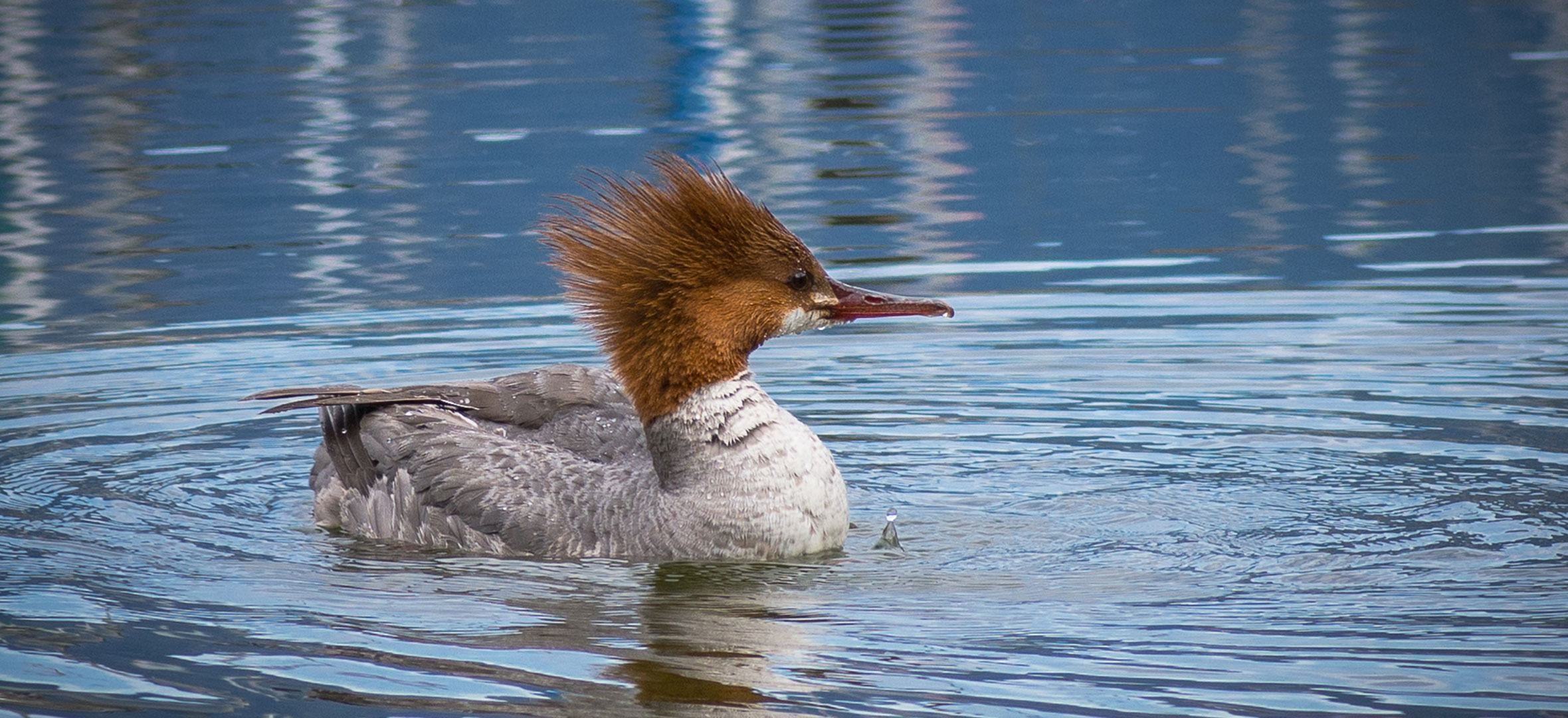
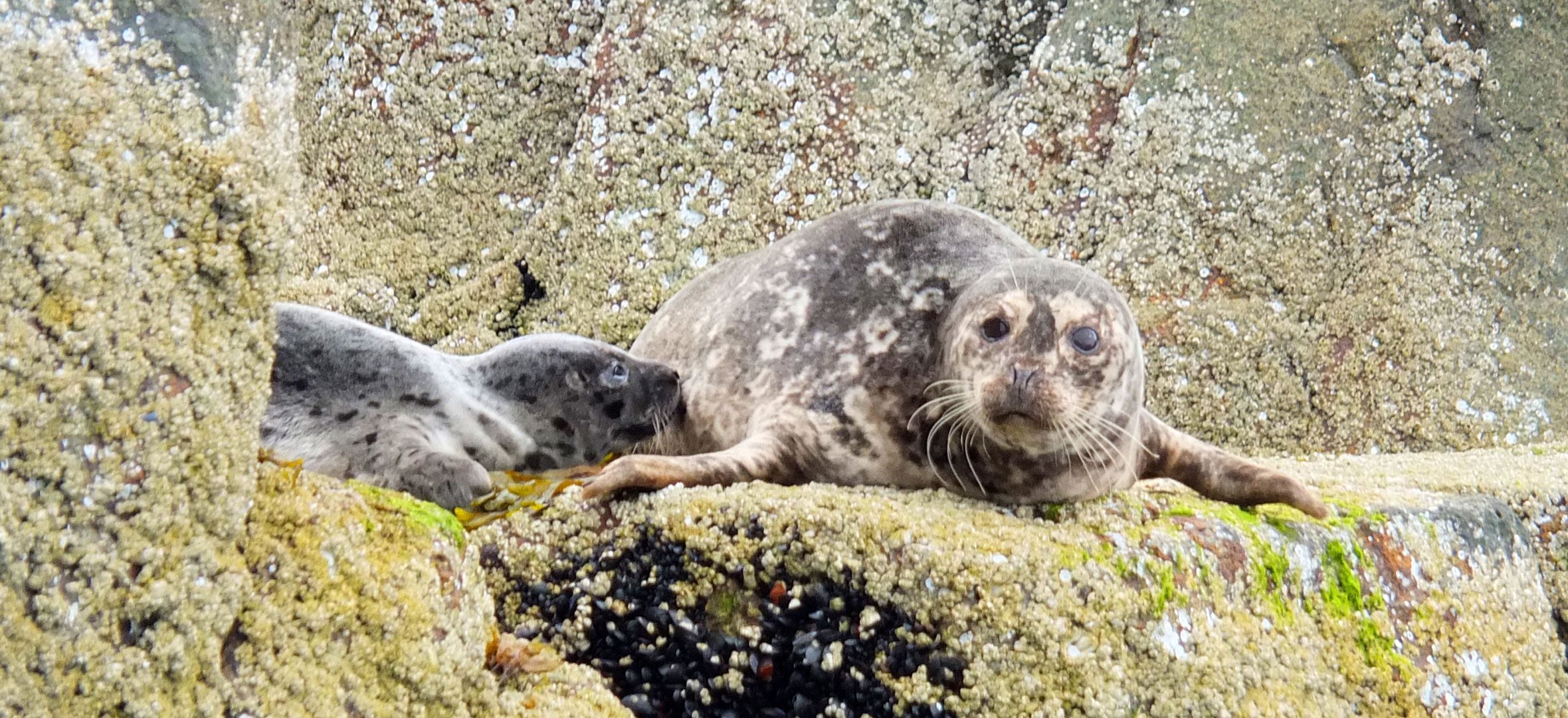
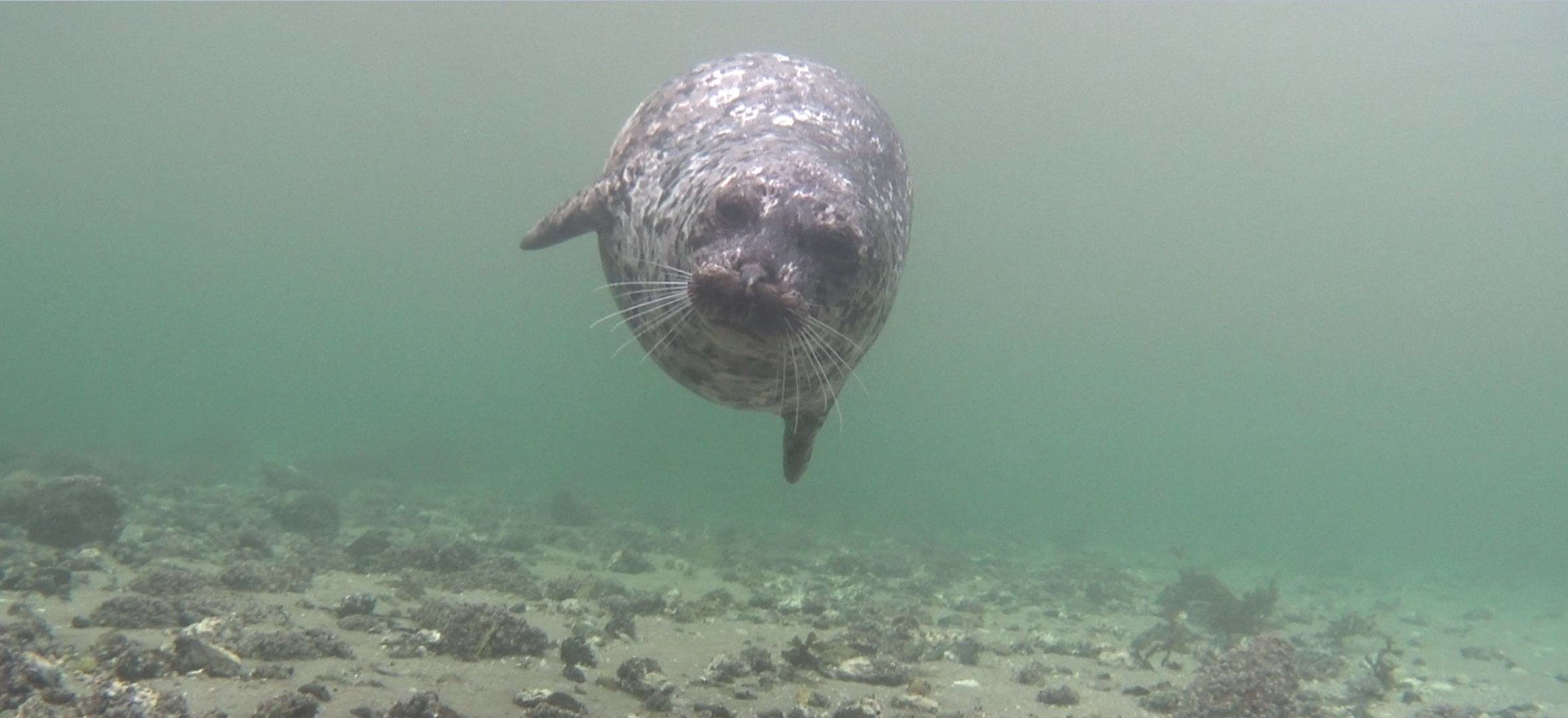
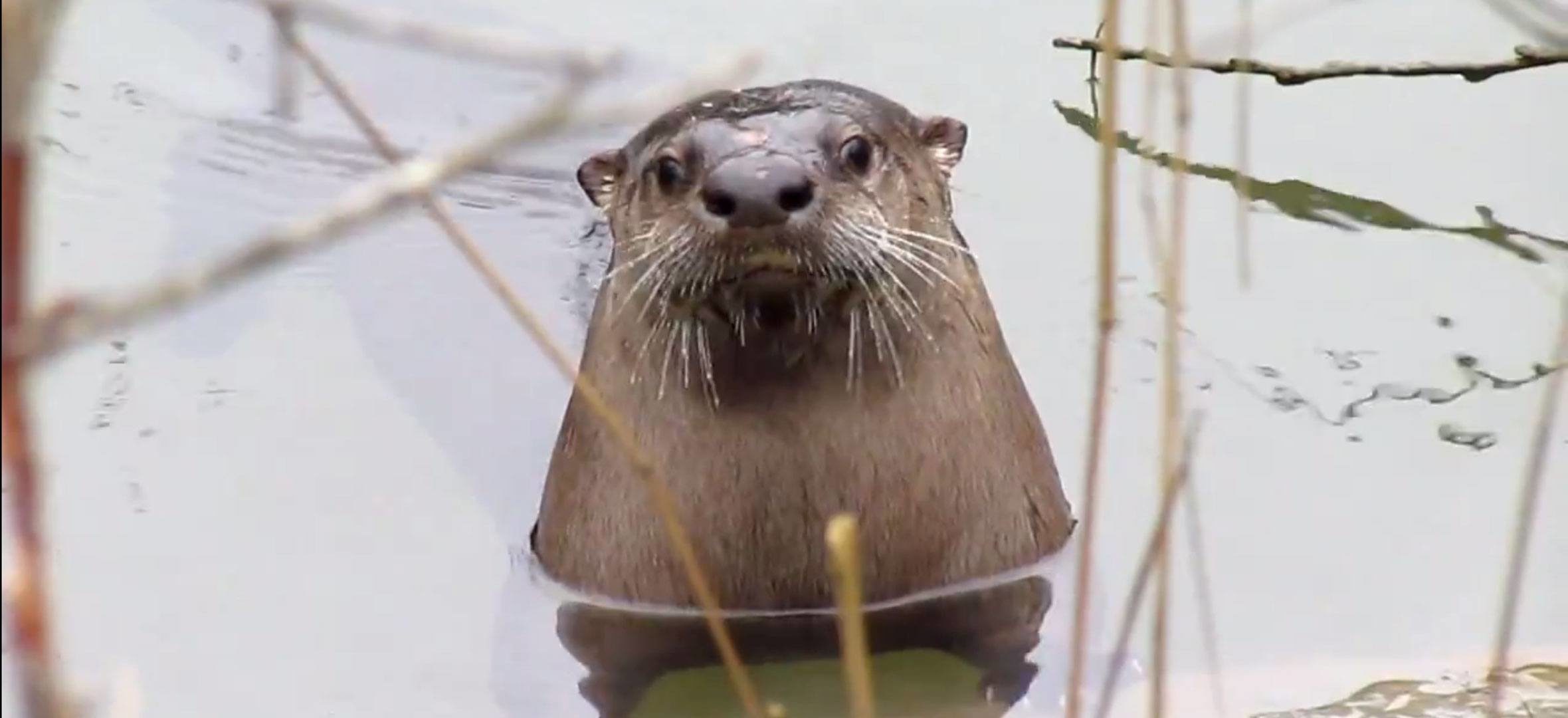
This conservation analysis should help with the next stage of Howe Sound’s remarkable marine rebirth after decades of pollution from mining, pulp and paper and other industries. Humpback, killer and grey whales, pods of Pacific white-sided dolphins, spawning salmon and herring are returning after decades of low numbers.
We’re interested in finding out more from you and your community about ecological hot spots and areas of interest.
Our conservation map is the result of a collective effort from scientists, community members and local activists. It’s a powerful tool to guide decisions for continued recovery of marine life in the Átl’ka7tsem/Howe Sound UNESCO Biosphere Reserve.
Kilian Stehfest, Marine Conservation Specialist
Marxan analysis for conservation
To identify priority conservation areas we conducted a two-part analysis. First, through the Marxan computer modelling analysis, we identify areas of high ecological value. Then we overlaid these areas with existing or future human activities to identify conservation needs and opportunities.
Acknowledgements
This project was led by a collaborative partnership between Ocean Wise and the David Suzuki Foundation, with the support of the Sitka Foundation and the Gordon and Betty Moore Foundation to whom we are extremely grateful.
Our partners