What you eat affects the climate

As writer Michael Pollan advises, “Eat food, not too much, mostly plants.”
When planning meals, shopping or ordering in a restaurant, consider:
- How low on the food chain is this?
- How much energy goes in to producing it?
- Is it grown organically?
- How far did it travel to get to the store/table?
Ask questions and (kindly) explain your preferences. Restauranteurs and food retailers want to know what customers want.
Three ways to reduce the impact of your diet
1. Eat more plant-based meals
Meat and climate change
Meat and dairy production account for 83 per cent of all agricultural land use, take up 30 per cent of the planet’s land surface and are responsible for 18 per cent of greenhouse gases, including methane and nitrous oxide.
Growing animals for food is also inefficient. It takes about five to seven kilograms of grain to produce one kilogram of beef. Each of those takes energy and water to produce, process and transport.
As global meat consumption increases, so does its climate impact. By lowering your food-related emissions, moving to a mostly plant-based diet will greatly reduce your annual carbon footprint.
A Boston Consulting Group report found that, for each dollar, investment in improving and scaling up production of meat and dairy alternatives resulted in three times more greenhouse gas reductions compared with investment in green cement technology, seven times more than green buildings and 11 times more than zero-emission cars.
LEARN HOW TO START YOUR JOURNEY TOWARDS ADOPTING A PLANT-BASED DIET
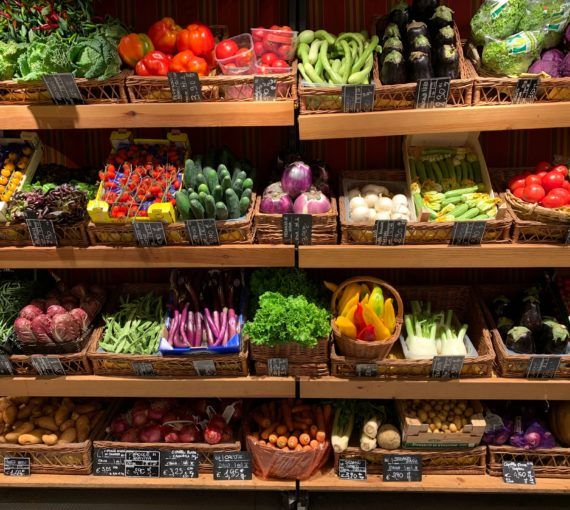
2. Eat organic and local foods whenever possible
The problems with chemical agriculture
Synthetic pesticides and fertilizers are often made from fossil fuels. Manufacturing and transporting them uses energy and produces greenhouse gases.
Studies show that chemical farming uses more energy per unit of production than organic farming. Synthetic nitrogen fertilizers in soils produce nitrous oxide, a greenhouse gas about 300 times more powerful than carbon dioxide at trapping heat in the atmosphere.
Food produced closer to home
The average meal travels 1,200 kilometres from the farm to plate. Food grown locally produces fewer transportation emissions, is fresher and supports local farmers. As the distance food travels decreases, so does the need for processing and refrigeration to reduce spoilage.
Is it better to buy local or organic?
“Food miles” (the distance food travels from grower to consumer) actually make up a small percentage of its overall carbon footprint — about 11 per cent on average. How the food is grown makes up roughly 83 per cent.
One study showed that lamb raised in New Zealand and shipped 18,000 kilometres to the U.K. produced less than one-quarter of the greenhouse gases of locally raised British lamb. Local flocks ate grains, which take a lot of energy to grow, while the New Zealand flocks grazed on grass. Shipping the lamb to the U.K. was responsible for only five per cent of greenhouse gases; 80 per cent were from farm activities.
One packaged orange juice assessment found that more than one-third of lifecycle emissions came from the synthetic fertilizer used on the groves.
Choosing to buy organically grown food can be a better choice for the climate. But if possible, buy food that that’s organic and local.
What you can do
- Vote with your fork by supporting local, organic producers.
Organic food is better for the climate. Organic meat, poultry, eggs and dairy come from animals that aren’t fed antibiotics or growth hormones. And because they’re grown in healthy soils, organic foods are typically more nutritious, containing more vitamins and minerals. Organic farms promote genetic diversity, create less water pollution and soil damage, and result in fewer poisonings of farm workers and less harm to wildlife. - Read labels.
- Tell the produce manager at your grocery store (and restaurant staff) what you want and why.
- Grow your own food. Growing fruit, vegetables and herbs at home makes their trip to your table shorter. You can also grow your food without chemicals. Turn your yard or even the smallest of spaces — such as a balcony, windowsill or patio — into a food garden!
3. Don’t waste food
Close to half of all food produced worldwide is wasted after production, discarded in processing, transport, supermarkets and kitchens. When people throw food out, all the resources to grow, ship, package and produce it are wasted too, including massive amounts of water.
Unused food in landfills is a significant source of greenhouse gases. About 20 per cent of Canada’s methane emissions (a potent greenhouse gas) come from landfills.
What you can do
- Learn how you can help end food waste.
- Eat everything you buy. And only buy what you need.
- Find creative uses for food scraps. Get ideas and inspiration from cookbooks, websites and social media. The more use you get from your food, the less you’ll need to grow or buy.
- Start a food sharing club. Food sharing clubs encourage healthy eating, reduce waste, build connections, create belonging and provide opportunities to learn about each other.
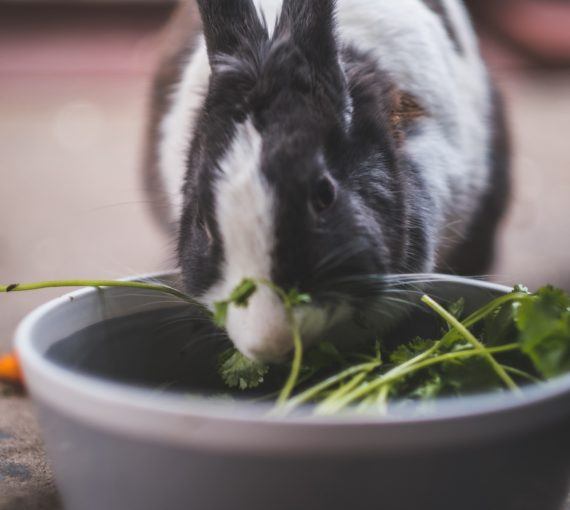
Feed your pets sustainably too!
Just as there are better ways to feed people, there are better ways to feed animals. Cats and dogs consume a lot of meat and often eat relatively high-quality meat and fish products. There are many pet food alternatives that offer a good source of protein and other essential nutrients but with fewer environmental impacts.