Youth and nature
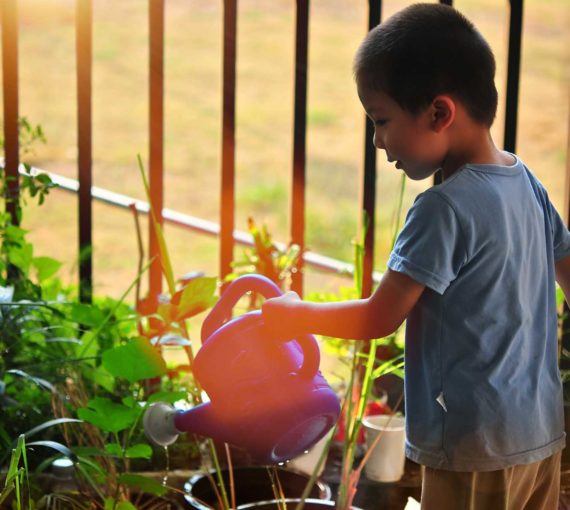
The average North American child spends less than 30 minutes playing outside each day, and more than seven hours in front of a screen. Yet research shows time outside makes children healthier, happier and smarter.
The message is clear — kids need nature! And so do parents, grandparents, caregivers and teachers.
According to a David Suzuki Foundation survey, people who spend time outside when they’re young are 20 per cent more likely to take part in outdoor programs or to explore nature on their own when they’re older. And getting kids into nature will provide some of their best childhood memories.
You play a critical role in helping the kids in your life develop a nature habit.
Time in nature can:
Reduce stress and symptoms of attention deficit disorders
Boost immunity, energy levels and creativity
Increase curiosity and problem-solving ability
Improve physical fitness and co-ordination
Reduce the likelihood of needing glasses for nearsightedness
Take the Suzuki Superhero Challenge
Whether you’re a parent, grandparent or caregiver, you can encourage kids to spend time outside and teach them about environmental responsibility at the same time.
Resources for parents and guardians
Children today spend less time outdoors than any generation in human history. They’re also our future superheroes! So we need to make sure they’re well-equipped to protect the planet.
We have four fun Suzuki Superhero Challenge activities available. Simply fill out the form below and you can download them all for free.
Each will help teach kids about our right to a healthy environment and connect them to the great outdoors.
Get outside and save the world!
Download your free activity sheets today
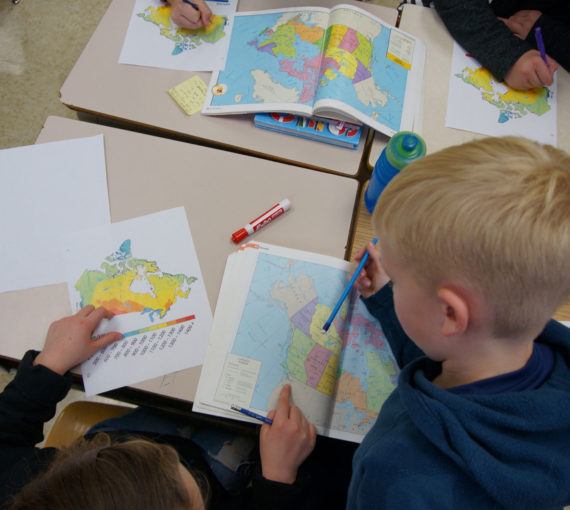
Foster a nature connection in students
Studies show spending time outdoors helps students do better in school by improving memory, problem-solving and creativity.
Resources for teachers
Children who spend time in nature are also healthier and more likely to care for nature as adults.
Teachers across Canada agree! They’ve downloaded more than 10,000 copies of our educational guides. From coast to coast to coast, educators are taking their students outside. And they’re reporting that it’s good for students and those who teach them!
All resources are available to download. Simply fill out the form below to access the following resources:
- The Nature as a Classroom guide answers common questions about how to make outdoor learning fun and accessible.
- The Connecting With Nature guides include comprehensive classroom and outdoor lesson plans for kindergarten through Grade 8. The Connecting With Nature guides were created and written by David Suzuki Foundation staff, Toronto District School Board educators and staff, and students from Nipissing University’s Schulich School of Education.
Download your free guides today
Suzuki Superhero Challenge FAQs
-
It’s a four-week program that gets kids, families and classrooms of students to learn about environmental issues and make a superhero difference! You can download four, fun outdoor activities complete with step-by-step instructions by filling out the form above.
Themes include things like the right to clean air, safe water and healthy food.
-
As David Suzuki says, “In a world of more than seven billion people, each of us is a drop in the bucket. But with enough drops, we can fill any bucket!” When we each do our part for the environment, we can make a “super” difference — and be superheroes! By teaching kids that we’re all interconnected and interdependent with nature, we can raise the next generation of leaders to protect the people and places we love.
-
The Challenge runs all year! There’s no deadline to complete the activities. We just want you to get outside and learn about our right to clean air, safe water and healthy food.
-
Of course — the more the merrier! Download your free Nature as a Classroom guide, to help make outdoor learning fun and easy. And check out our Connecting With Nature educational guides for Kindergarten through Grade 8.
-
Simply fill out the form above to download all the resources you need to join our growing community of Canadian superheroes!
-
Unfortunately we do not offer the challenge in French. But we have fabulous teaching resources available in French. Download your free copy here.
-
All activities are designed to be done outdoors. This could mean a schoolyard, backyard or local park. The activities teach kids about the right to safe, accessible water, clean air and nutritious food. They also inspire children to help protect the people and places we love.
-
No way. Getting outside and learning about nature and how to protect it is ageless! But Challenge activities were created for K to Grade 6.
-
After you fill out the form above, you’ll be able to download an activity for each week of the challenge.
-
Yes! And don’t forget to share your pictures and stories. We’d love to hear how you spend time in nature! Use the hashtag #SuzukiSuperhero.